Dead Tree Removal in Allentown, PA
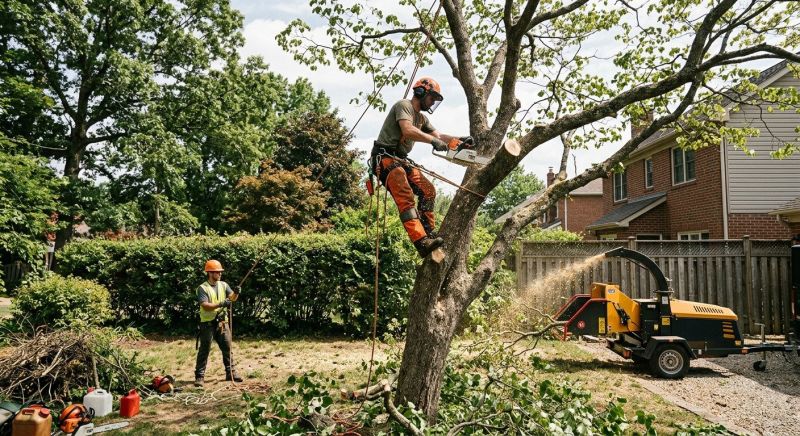
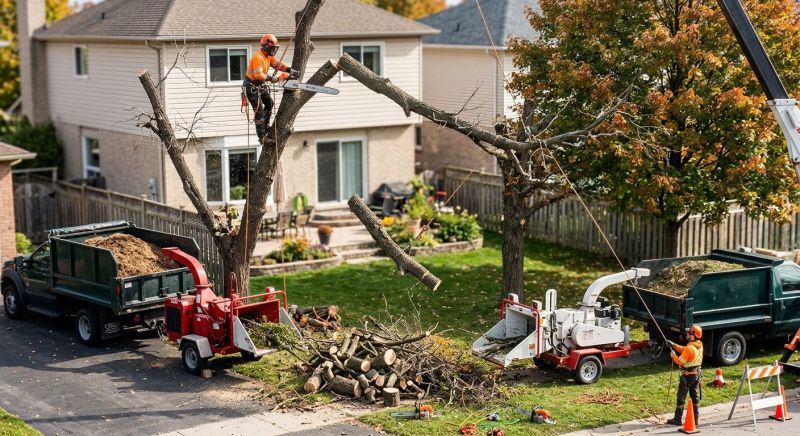
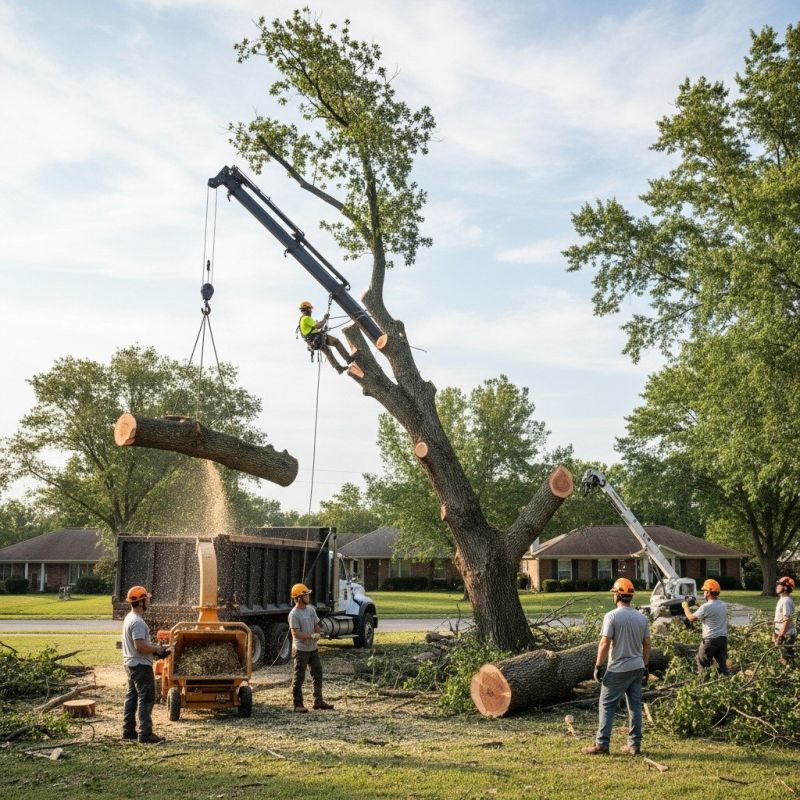
Dead tree removal services involve the safe and efficient removal of trees that are dead, decaying, or pose a risk to the property. These projects typically include assessing the tree’s condition, planning the removal process, and carefully cutting and removing the tree and its debris. Homeowners often request this service when a tree has become hazardous due to disease, storm damage, or visible signs of decay, especially if it is near structures, power lines, or high-traffic areas.
Before requesting dead tree removal, property owners should consider the location of the tree, the extent of decay or damage, and any potential obstacles such as nearby structures or underground utilities. Understanding the size and height of the tree can help determine the scope of the project, while awareness of local regulations or property restrictions may be necessary. Clear communication about these details can ensure the removal process is completed safely and efficiently.
Many property owners in Allentown, PA look into Dead Tree Removal for repairs, replacements, upgrades, and appearance-related improvements.
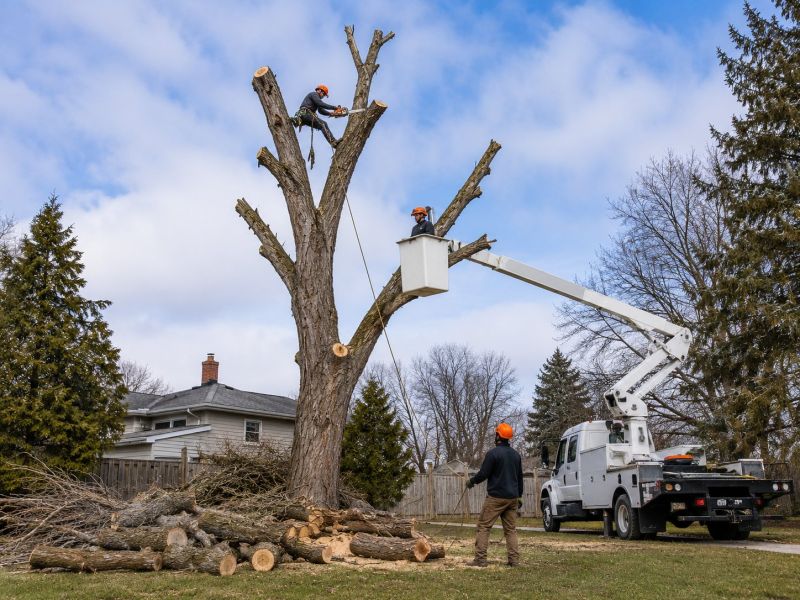
Hazardous Tree Removal
Removing dead trees reduces the risk of falling branches and property damage.
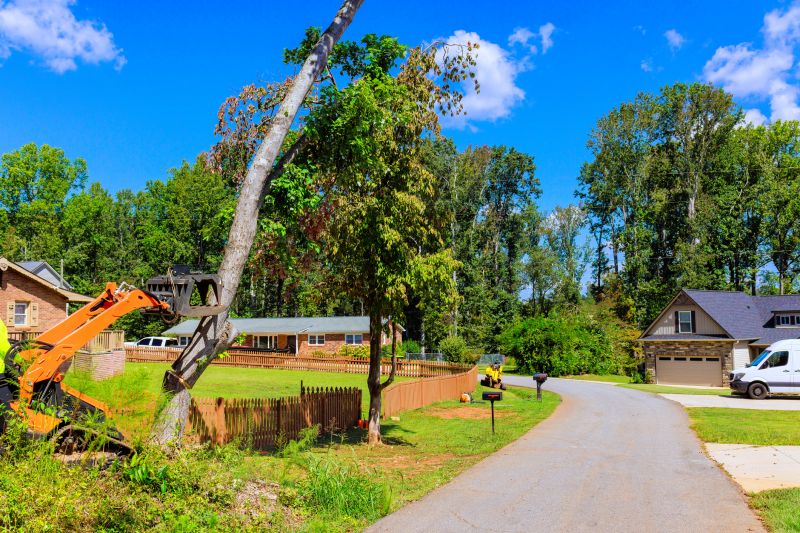
Property Safety And Cleanup
Dead tree removal helps maintain a safe and tidy yard for residents and visitors.
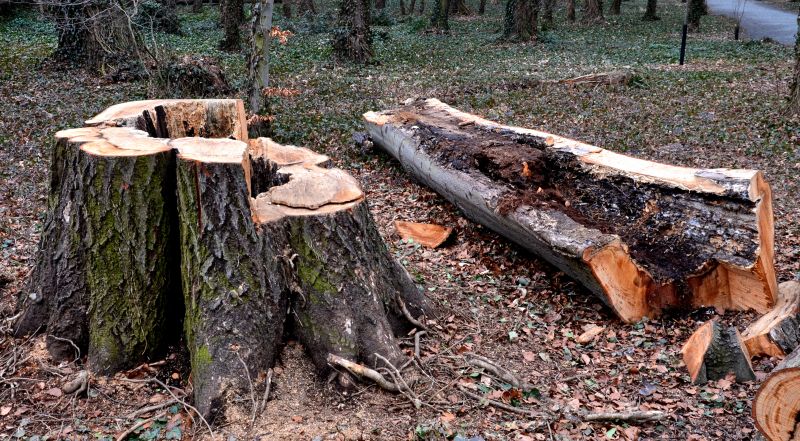
Tree Health And Landscape Care
Removing dead trees promotes the health of surrounding plants and enhances curb appeal in allentown neighborhoods.
Dead Tree Removal in Allentown, PA
Dead tree removal services involve the safe and efficient removal of trees that are dead, decaying, or pose a risk to the property. These projects typically include assessing the tree’s condition, planning the removal process, and carefully cutting and removing the tree and its debris. Homeowners often request this service when a tree has become hazardous due to disease, storm damage, or visible signs of decay, especially if it is near structures, power lines, or high-traffic areas.
Before requesting dead tree removal, property owners should consider the location of the tree, the extent of decay or damage, and any potential obstacles such as nearby structures or underground utilities. Understanding the size and height of the tree can help determine the scope of the project, while awareness of local regulations or property restrictions may be necessary. Clear communication about these details can ensure the removal process is completed safely and efficiently.
Many property owners in Allentown, PA look into Dead Tree Removal for repairs, replacements, upgrades, and appearance-related improvements.
Common Dead Tree Removal Jobs
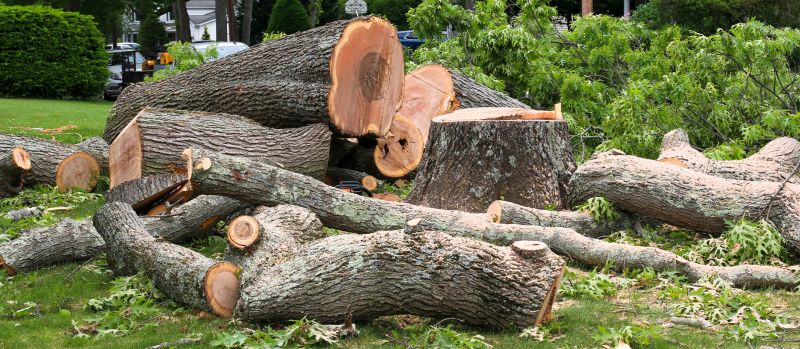
Dead tree removal involves safely cutting and removing hazardous or unwanted trees from the property.
Stump grinding helps eliminate tree stumps to improve yard safety and appearance.
Emergency dead tree removal addresses storm-damaged or unstable trees that pose risks.
Selective tree removal targets specific dead or diseased trees without affecting healthy ones.
Property clearing involves removing dead trees to prepare the land for landscaping or construction.
Tree cleanup services include hauling away debris left after dead tree removal.
Dead Tree Removal Questions
What types of trees are suitable for removal? Trees that are dead, diseased, or pose a safety risk are common reasons for removal.
Is dead tree removal necessary? Removing dead or dying trees helps prevent potential damage to property and reduces safety hazards.
What should property owners consider before removal? It’s important to assess nearby structures, underground utilities, and the tree’s location before removal.
Does dead tree removal involve stump grinding? Stump grinding is often part of the process to fully clear the area after the tree is removed.
Request Dead Tree Removal in Allentown, PA
Use the quote form on this page to share the basics of your project and request more information for the type of work you need.